

How to Find an Electrician in Leighton Buzzard
It is crucial to hire an electrician when you need electrical work done at home. This will ensure that you and your family members are protected from the dangers posed by unqualified people.
Checking the NICEIC ID card of electricians in Leighton Buzzard can be a quick way to confirm whether they're qualified. This will show that they have undergone a series of assessments to prove their abilities.
Experience
An electrician who has experience is the best option when it comes to getting the job done right the first time. A search engine online allows you to look up the qualifications and experience of electricians you are considering. This will give you assurance that your home or office is in good hands, and the confidence that you're not dealing with a scammer operation that may try to take your money and then claim it for nothing. The most important thing to keep in mind is that a skilled electrical contractor is able to perform the task that is required with minimal fuss and maximum impact. The key is to ensure that you ask the correct questions and get the answers you require.
NICEIC
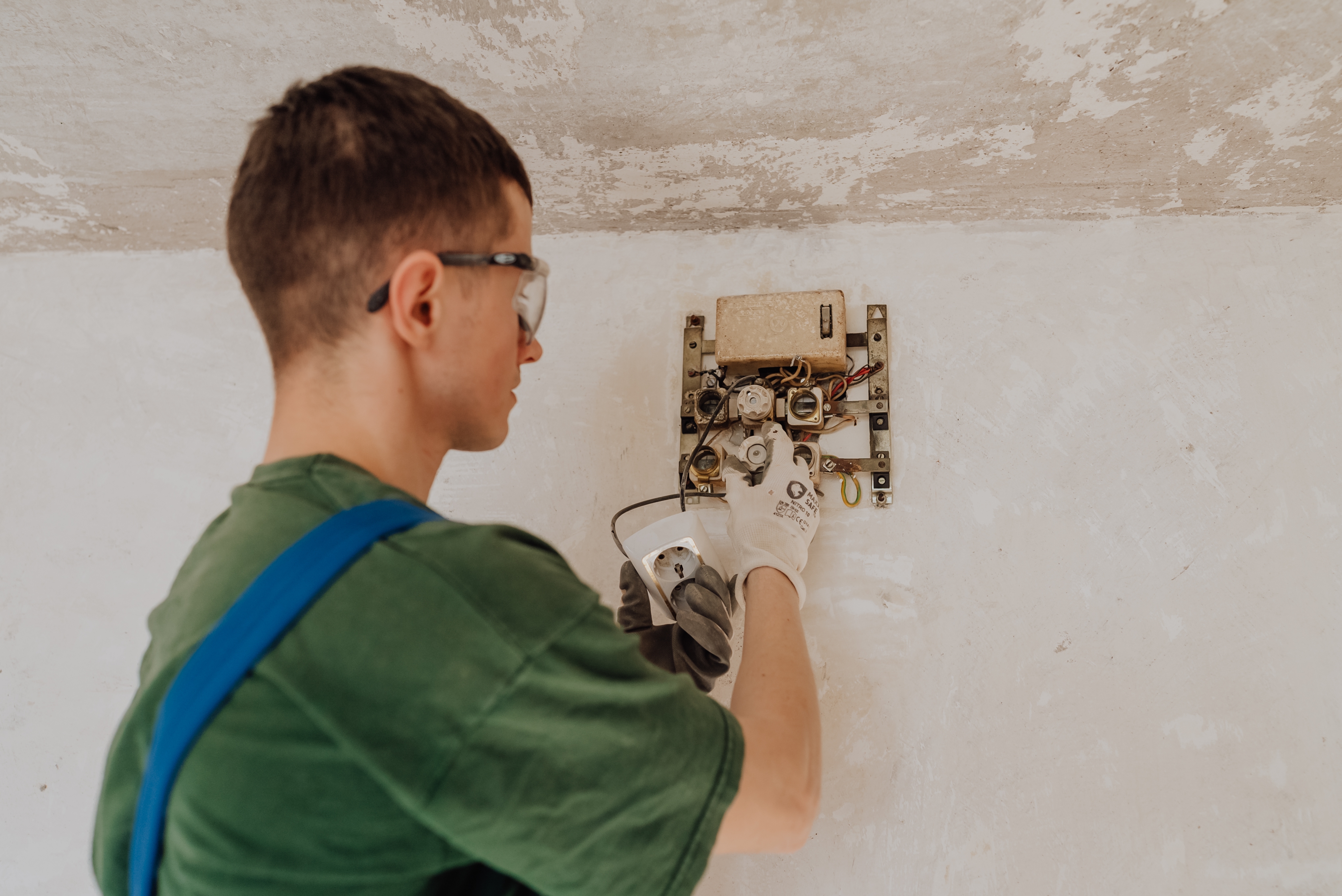
It is important to ensure that the Electrician in Leighton Buzzard has the required qualifications and experience to complete your electrical work. NICEIC is a government-approved program that ensures that electricians meet stringent standards. This ensures that work will be done safely and efficiently.
It's a good idea for electricians in Leighton Buzzard to verify their NICEIC ID card and website before hiring them. electricians leighton buzzard can also use the NICEIC Find a Contractor tool online to find registered electricians. You can also read reviews written by clients who have utilized the services of NICEIC electricians.
Steven McGiff Electrical Services is a licensed electrician in Leighton Buzzard , which offers electrical rewires, new builds extensions, fault-finding and fuse board upgrades. They offer electrical installation services to commercial and residential customers. They are fully insured. They have a dedicated staff members who are available to provide support and assistance to their clients. They are also NICEIC registered and undergo regular assessments to ensure they maintain a high degree of professional competence and expertise. They're located in Leighton Buzzard and serve the surrounding areas. They provide a no-cost quotation, no-obligation for all your electrical requirements.
PAT Testing
Portable appliance testing (or PAT testing) is a method of test electrical appliances and equipment in order to ensure they are safe. This helps avoid accidents and injuries while in use, thus decreasing the chance of serious issues arising from the equipment.
While the law may differ from one country to the next There are a few basic guidelines that businesses must follow. These requirements are outlined in the UK's Health and Safety at Work Act and Electricity at Work Regulations. These laws are enforced by encouraging employers to conduct PAT test guidance and promoting risk assessment.
Regular PAT testing is recommended by businesses and organizations that use many electrical appliances in order to comply with the legal requirement. While it isn't necessary to test every item in a business, it is important to keep track of the equipment that needs to be retested.
There are many kinds of testers that can be used for this purpose, some are simple PASS/FAIL instruments designed for businesses to test in-house their own electrical appliances . While others come with a wide range of features. You can program them to perform specific tests, for example, the touch current test or the protective conductor current test. However, they are not recommended for less skilled users.
For basic testing, the majority are equipped with two main tests that are needed; earth continuity and insulation resistance. This is a test of the insulation of appliances to ensure it is suitable for reuse.
Another test is the continuity test for earth. This permits current to flow between the mains plug and exposed metal parts of an item of electrical apparatus to determine if any faults exist in its connection to the earth pin of the mains connector. This is usually done by connecting the device to a mains cable which is connected to the test instrument.